
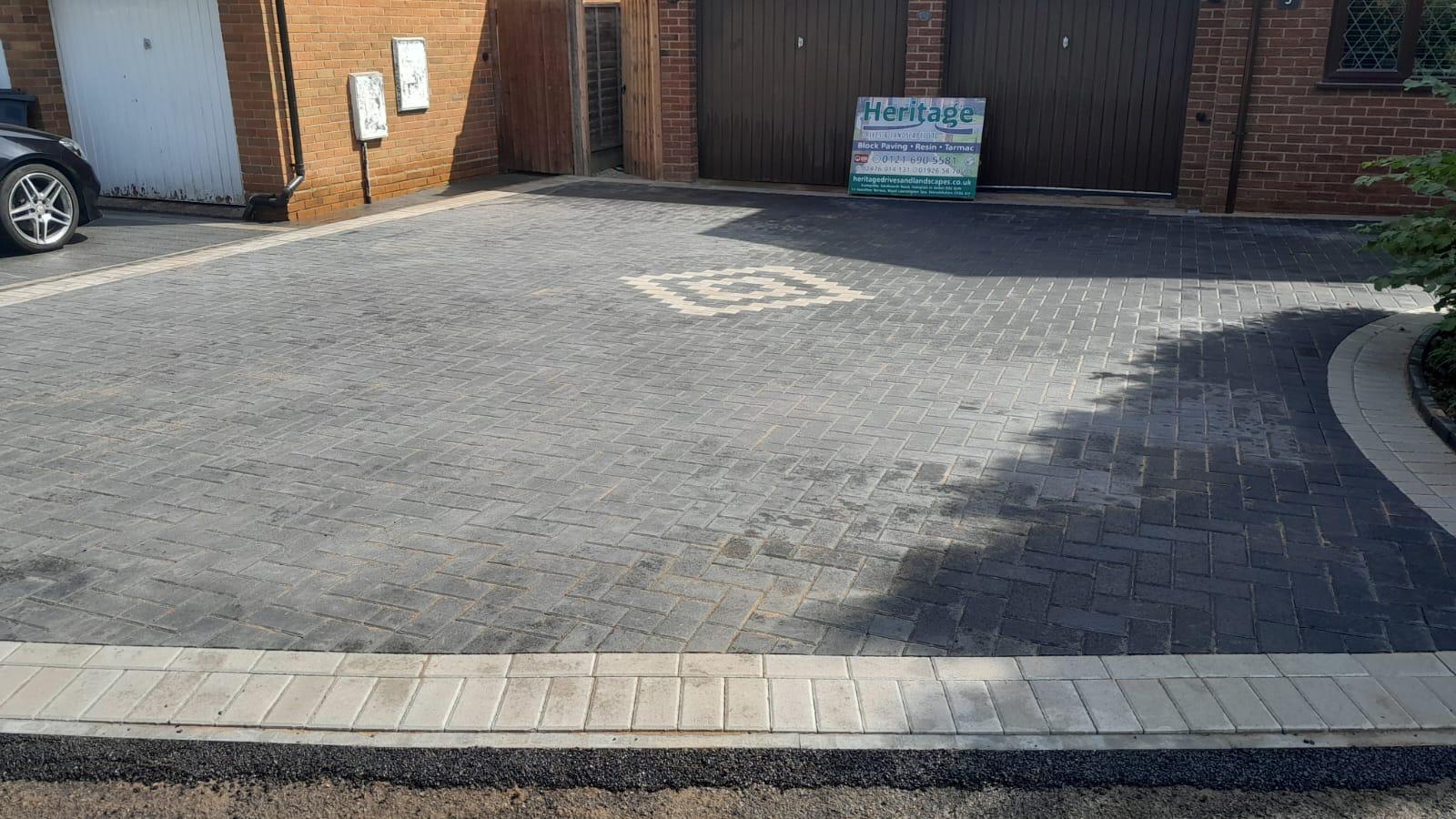
Winter weather can be beautiful, but when freezing temperatures and snow arrive, driveways and pathways quickly become hazardous. Ice build-up increases the risk of slips, falls, and vehicle accidents, and if left untreated, it can also cause long-term structural damage to surfaces such as concrete, tarmac, and block paving.
Implementing effective ice prevention methods is crucial for maintaining safety and protecting your driveway investment throughout the colder months.
In this guide, we explore practical and reliable ice prevention methods that homeowners can use as part of comprehensive winter driveway care, helping minimise damage, reduce dangerous conditions, and keep driveways and pathways in great condition all season long.
Why Ice Damage Happens on Driveways and Paths
Driveways and paved areas are particularly vulnerable during winter because water freezes and expands as temperatures drop. This expansion creates pressure within small cracks, causing surfaces to weaken and eventually break apart.
Repeated freeze-thaw cycles are one of the leading causes of cracks, potholes, and surface deterioration.
Common winter problems caused by ice build-up include:
- Cracked concrete or tarmac
- Loose blocks or uneven sections on block-paved driveways
- Slippery, hazardous surfaces posing safety risks
- Long-term structural deterioration

This makes ice prevention methods essential rather than optional, prevention is always more cost-effective and safer than repair.
Effective Ice Prevention Methods for Driveways and Pathways
1. Clear Snow Early and Regularly
The first line of defence is preventing snow from compacting into ice. As soon as snow settles:
- Use a snow shovel, snow pusher, or snow blower
- Remove snow before foot or car traffic compresses it
- Repeat clearing after continued snowfall
Allowing snow to sit, melt, and refreeze makes ice much harder to remove later.
2. Use Suitable De-Icing Products
De-icing products are ice prevention methods used to help lower the freezing point of water, breaking down existing ice and preventing new ice from forming. Popular choices include:
| De-Icing Material | Benefit | Recommended Use |
| Rock Salt (Sodium Chloride) | Affordable and widely available | Quick melt for moderate cold |
| Calcium Chloride | Works at extremely low temperatures | Ideal for more severe frost |
| Magnesium Chloride | Less damaging to surfaces and vegetation | Good for concrete/block paving |
| Sand or grit | Improves traction only | Best combined with salt |
Avoid rock salt on newly installed concrete, it can weaken the surface. In this case, magnesium chloride or sand is safer.
Using the right de-icing material is a key part of proactive winter driveway care and can significantly reduce ice build-up throughout the season.
3. Apply Anti-Icing Treatments Before Freezing Weather
Anti-icing is an ice preventing methods that measures rather than a reactive one. Applying liquid brine or specialist anti-icing products before frost settles helps prevent ice bonding to surfaces.
Benefits include:
- Easier and faster snow removal
- Reduced need for repeated salting
- Protection of concrete and block-paving
Anti-icing is one of the most effective ice prevention methods, particularly for long driveways or frequently used walkways.
4. Improve Drainage Around Driveways and Pathways
Standing water is one of the biggest causes of winter ice formation. Improving drainage ensures water doesn’t settle and freeze.
Possible drainage ice prevention methods include:
- Installing a channel drain at your driveway entrance
- Re-levelling uneven surfaces where puddling occurs
- Clearing gutters so water doesn’t overflow onto paths
- Using permeable paving solutions
A long-term drainage upgrade not only extends driveway life but also reduces long-term maintenance costs.
5. Seal Cracks and Surface Damage Before Winter
Small cracks expand significantly when water freezes inside them, turning minor wear into major structural damage. Sealing surfaces before winter is a critical preventative step.
Recommended pre-winter repairs include:
- Filling cracks in concrete or tarmac
- Replacing broken paving blocks
- Resealing the driveway surface with a protective sealant
Sealing prevents moisture penetration and forms a protective layer, supporting effective ice prevention methods through the coldest months.
6. Use Heated Driveway Systems (Premium Option)
For complete automation and minimal manual work, heated driveway systems use electric or hydronic heating to melt snow and ice on contact.
Benefits include:
- Zero manual clearing required
- Reduces slip hazards significantly
- Extends driveway lifespan
While more expensive upfront, heated systems are highly effective in areas with frequent snowfall and ideal for homes prioritising safety and convenience.
7. Install Grit Bins for Quick Access During Sudden Weather Changes
Keeping grit or de-icing salt accessible makes reactions faster and easier during sudden cold snaps. Place bins near driveways, steps, or garages for emergency treatment.
This is an inexpensive but powerful component of proactive winter driveway care, especially during heavy freeze-thaw cycles.
Best Practices for Winter Driveway Care
To maximise effectiveness of all ice prevention methods, follow these additional winter maintenance tips:
- Avoid metal shovels on concrete to prevent scratching
- Do not use harsh chemicals that may corrode paving or damage soil
- Remove ice in layers rather than forcing it in one attempt
- Check driveway edges regularly for signs of cracking or lifting
A consistent routine is key for protection and safety.
Why Ice Prevention is Essential for Every Homeowner
Implementing ice prevention measures helps:
- Protect your investment by extending driveway life
- Prevent costly repairs caused by freeze-thaw damage
- Reduce the risk of accidents and legal liability
- Maintain curb appeal year-round
Preventing ice is always more effective, and more affordable, than repairing the damage afterwards.
Using the right ice prevention methods is essential for protecting driveways and pathways during the winter months. With proactive strategies such as early snow clearing, suitable de-icing products, anti-icing treatments, drainage improvements, and surface repairs, homeowners can ensure safe, long-lasting, and visually appealing outdoor surfaces.
Combining these techniques with ongoing winter driveway care helps eliminate hazards, preserve surface integrity, and maintain a clean and functional outdoor space throughout the cold season.
If you’re concerned about existing driveway damage or need professional support with driveway repairs, resurfacing, or winter preparation, Heritage Drives & Landscaping is here to help.