
With summer well underway, many homeowners are turning their attention to outdoor maintenance and Driveway care — and one area that often gets overlooked is the driveway. While we typically think of winter as the season that causes the most wear and tear, high summer temperatures can also wreak havoc on your driveway’s surface.
From fading and cracking to softening and subsidence, hot weather can lead to long-term damage if your driveway isn’t properly cared for. Whether you have tarmac, block paving, or concrete, summer driveway maintenance is key to preserving both function and kerb appeal.
In this blog, we’ll explain how heat affects different driveway materials and share practical tips on asphalt driveway care, sealing, cleaning, and preventing costly repairs — all tailored to homeowners across Solihull, Warwickshire, and the West Midlands.
Why Summer Is Tough on Driveways
Just like sun exposure can fade your garden furniture or dry out your lawn, it can also cause surface damage to driveways. Some of the most common summer-related issues include:
- Surface softening (especially in tarmac/asphalt)
- Cracking from thermal expansion and contraction
- Colour fading due to UV rays
- Increased weed growth in joints and cracks
- Staining from oil, fuel, and summer garden activities
Without proper maintenance, these issues not only affect how your driveway looks, but can also shorten its lifespan and lead to expensive repairs down the line.
How Heat Affects Different Driveway Materials
Tarmac / Asphalt Driveways
Tarmac (or asphalt) is one of the most common surfaces in the UK. It’s smooth, cost-effective, and durable — but in high temperatures, it can soften and deform, especially under the weight of parked vehicles.
The black colour of asphalt also absorbs UV rays, causing it to fade and dry out over time. This makes it more susceptible to cracking and crumbling.
Block Paving
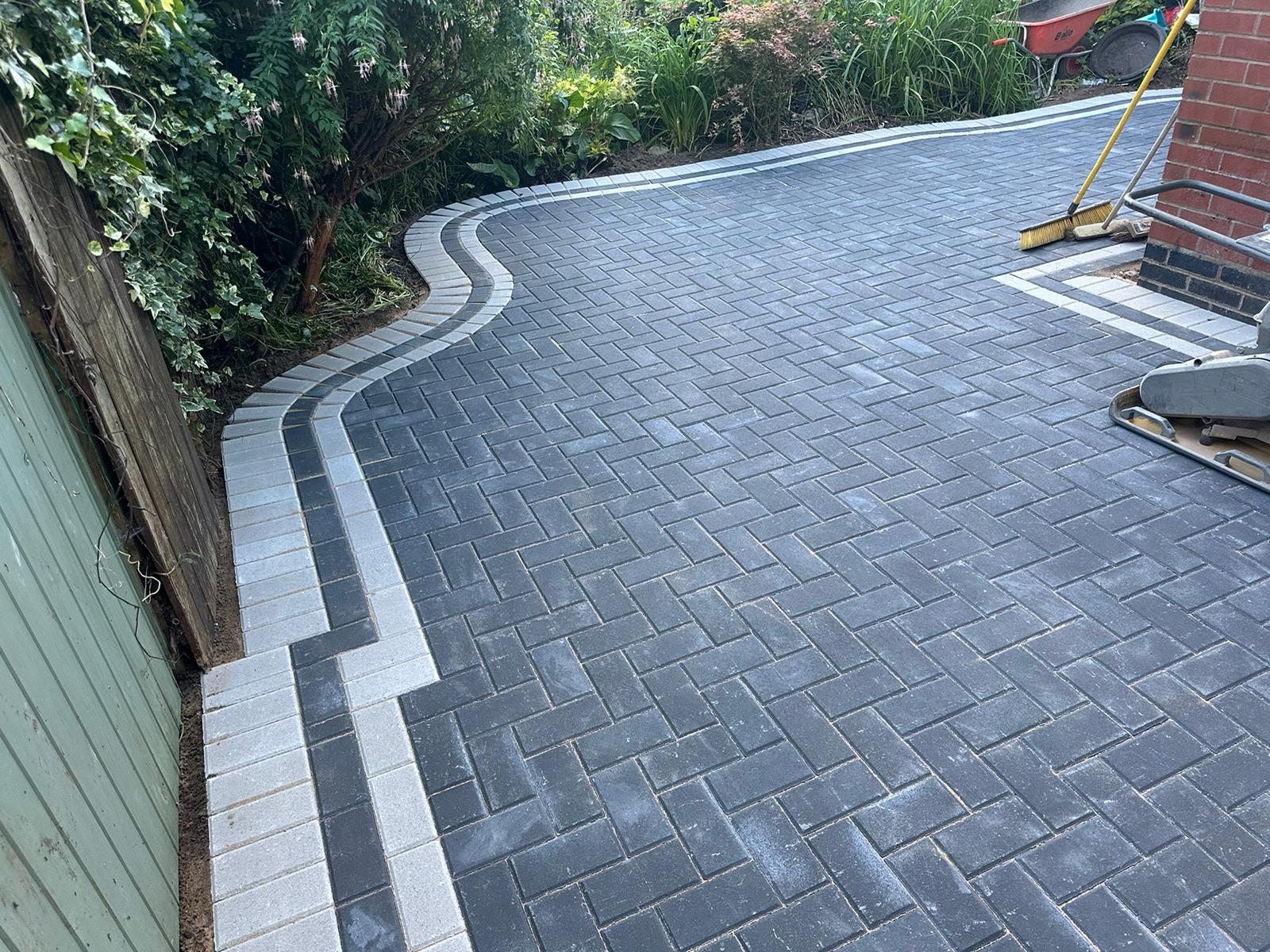
Block paving is heat-resistant but can suffer from weed growth between joints in the summer, and the sand used for bedding can dry out and shift. The bricks themselves may fade with prolonged sun exposure if not sealed.
Resin-Bound Surfaces
Resin-bound driveways are UV-stable if installed with the right materials — but cheaper, non-UV stable resin can yellow or discolour in the sun. Heat can also weaken the bond if poor-quality materials were used.
Concrete Driveways
Concrete is strong and weather-resistant but may develop hairline cracks due to thermal expansion, particularly if it’s not reinforced or if the ground underneath shifts due to drying out.
Essential Summer Driveway Care and Maintenance Tips
To protect your driveway and keep it looking its best, here are six simple Driveway care and maintenance steps you can take this summer.
1. Clean Your Driveway Regularly
Dust, debris, leaves, and car fluids can all stain your driveway surface. A simple sweep and wash every few weeks will prevent grime from settling in.
- Use a stiff-bristled broom to remove dirt and debris.
- Wash with a hose or low-pressure washer (avoid high pressure on tarmac).
- For oil stains, use a degreasing solution or baking soda paste.
- Avoid harsh chemical cleaners that can degrade resin or asphalt.
For professional cleaning, our jet washing services provide a safe and effective option across Solihull and Warwickshire.
2. Seal the Surface
Sealing is one of the best ways to protect your driveway against heat damage, moisture ingress, and UV rays.
- Asphalt: Resealing every 3–5 years can prevent cracking and softening.
- Block paving: Sealants help preserve colour, reduce weed growth, and stabilise jointing sand.
- Concrete: Use breathable sealants to reduce cracking and fading.
- Resin: UV-stable resin requires minimal sealing if installed properly, but check with your installer.
Not sure which product to use? Our team offers expert advice as part of our full landscaping services.
3. Prevent Weeds and Moss
Summer sun and the occasional shower make ideal growing conditions for weeds. These can cause slabs to shift, lift tarmac edges, and make the driveway look messy.
- Use a weed-killing solution every 4–6 weeks.
- Refill jointing sand between block paving bricks.
- Avoid boiling water or vinegar on tarmac, which can damage the surface.
- Install edging to stop weeds creeping in from borders.
Need a refresh? Our driveway services include professional weed control and joint repair.
4. Address Cracks Promptly
Small cracks in asphalt or concrete will only worsen under summer heat as materials expand and contract.
- Fill hairline cracks with specialist filler or patch repair compound.
- For deeper cracks, seek professional repair to prevent moisture and vegetation getting in.
- Consider resurfacing if damage is widespread — especially on older driveways.
At Heritage Drives and Landscapes, we provide full repair and resurfacing for driveways of all types — just contact us to arrange a free quote.
5. Avoid Parking in the Same Spot
Tarmac softens in hot weather, particularly under heavy loads. If you park in the same spot every day, the surface can begin to dent or develop wheel tracks.
To avoid this:
- Rotate your parking position regularly.
- Use boards under tyres for longer stays.
- Consider resurfacing if indentations start to appear.
6. Watch for Drainage Issues
Inconsistent weather — hot one week, stormy the next — can cause problems with surface runoff, especially if your driveway isn’t draining properly.
Check for:
- Pooled water or puddles after rainfall
- Debris blocking drainage channels
- Signs of surface erosion
Poor drainage can undermine the sub-base, leading to sagging or cracking. Our landscaping team can design and install new drainage solutions, including soakaways and surface channels.
Boosting Kerb Appeal in Summer
Driveways aren’t just practical — they’re a big part of your home’s first impression. With the sunshine out and more people spending time outdoors, now is the perfect time to give your driveway a visual upgrade.
Try:
- Jet washing and sealing
- Adding decorative gravel borders
- Installing low-level driveway lighting
- Replacing worn edges with stone or brick
- Repainting or re-edging existing surfaces
For more inspiration, explore our recent driveway projects and see how we help homeowners across the West Midlands enhance their outdoor spaces.
Long-Term Benefits of Summer Maintenance
Investing a little time and care into your driveway during summer will:
- Extend its lifespan
- Prevent costly repairs later in the year
- Maintain safety for vehicles and pedestrians
- Keep your home looking neat and well-kept
- Increase property value and buyer appeal
Just like maintaining your car or garden, a little proactive care goes a long way when it comes to driveway maintenance.
Why Choose Heritage Drives and Landscapes?
We’re not just here to lay driveways — we’re here to help homeowners protect and enhance their investment year after year. Based in Solihull and serving Warwickshire and the wider West Midlands, we offer:
- Professional driveway installation and repairs
- Expert asphalt driveway care and sealing
- Friendly, experienced staff and honest advice
- Full landscaping and surface drainage solutions
Whether you need a quick clean-up, sealant application, or full resurfacing, we’ve got the tools and experience to get it done right.
Your driveway goes through a lot — and summer can be just as damaging as winter if you don’t take the right precautions. With the simple maintenance tips above, you can avoid heat damage, preserve your surface, and keep your home looking sharp.
For trusted, professional help with driveway maintenance, asphalt driveway care, or full landscaping services, contact Heritage Drives and Landscapes today. We’ll help you keep your outdoor spaces in top condition — season after season.