
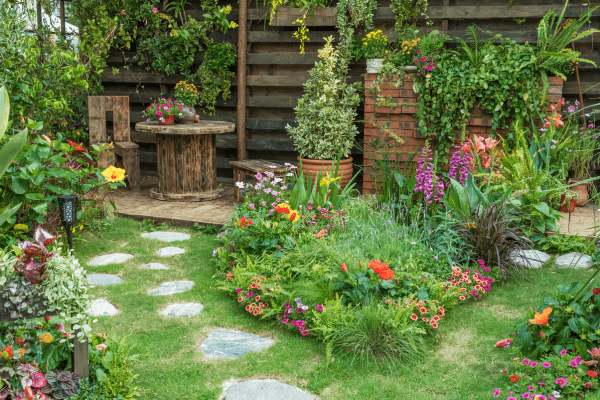
Heritage Drives and Landscapes understands how creating a wildlife-friendly garden not only enhances the beauty of your outdoor space but also supports local biodiversity. By designing a garden that attracts and nurtures wildlife, you contribute to the health of the ecosystem and enjoy the pleasure of observing nature right in your backyard. Whether you’re a homeowner, DIY enthusiast, or landscape aficionado, this guide will help you transform your garden into a sanctuary for local wildlife.
Why Create a Wildlife-Friendly Garden?
In today’s rapidly urbanising world, natural habitats are shrinking. Gardens play a crucial role in providing refuge for wildlife. By creating a wildlife-friendly garden, you:
- Support local biodiversity by providing food, shelter, and water for various species.
- Enhance pollination for your plants, leading to better bloom and fruit production.
- Reduce the need for chemical pesticides by attracting natural predators of garden pests.
- Enjoy the therapeutic benefits of observing and interacting with nature.
Key Elements of a Wildlife-Friendly Garden
1. Native Plants
Native plants are the backbone of any wildlife-friendly garden. They provide the right food and shelter for local wildlife and are well-adapted to the local climate and soil conditions. Consider including a mix of trees, shrubs, flowers, and grasses that are native to your area. Not only will these plants thrive with minimal care, but they will also attract pollinators like bees and butterflies, birds, and other beneficial insects.
Examples of Native Plants to Consider:
- Wildflowers: Bluebells, cowslips, and oxeye daisies.
- Shrubs: Holly, hazel, and hawthorn.
- Trees: Oak, birch, and rowan.
2. Water Features
Water is essential for wildlife. A pond, birdbath, or even a small water bowl can make a significant difference. Ponds provide habitat for amphibians like frogs and newts, while birdbaths offer a place for birds to drink and bathe. Ensure that your water features have gently sloping sides to allow easy access for small creatures.
Tips for Adding Water Features:
- Include both shallow and deep areas in ponds to cater to different species.
- Add rocks and logs around the edge of the pond to provide hiding spots.
- Keep the water clean and free from chemicals.
3. Shelter and Nesting Sites
Wildlife needs safe places to hide, rest, and raise their young. Incorporate elements like hedges, log piles, and birdhouses to provide shelter and nesting sites. Dense shrubs and hedges offer excellent cover for birds and small mammals, while log piles create habitat for insects and amphibians.
Creating Shelter and Nesting Sites:
- Plant a variety of hedges such as hawthorn, blackthorn, and beech.
- Build or buy birdhouses and place them in sheltered, quiet areas.
- Create log piles or leave deadwood in shaded parts of the garden.
4. Food Sources
A diverse garden with a range of plants will provide food throughout the year. Flowering plants offer nectar for pollinators, while berry-producing shrubs provide food for birds. Avoid using pesticides and herbicides, as they can harm the wildlife you’re trying to attract.
Attracting Wildlife with Food Sources:
- Plant nectar-rich flowers like lavender, foxglove, and honeysuckle.
- Grow fruiting plants such as blackberries, elderberries, and crab apples.
- Include seed-producing plants like sunflowers and teasels.
5. Sustainable Gardening Practices
Adopting sustainable gardening practices is crucial for maintaining a healthy environment for wildlife. Use organic methods to manage pests and diseases, and conserve water by using mulch and rainwater harvesting systems.
Sustainable Gardening Practices:
- Mulch garden beds to retain moisture and reduce weeds.
- Collect rainwater in barrels to water your plants.
- Use compost to enrich the soil and reduce the need for chemical fertilisers.
Designing Your Wildlife-Friendly Garden
Designing a wildlife-friendly garden involves thoughtful planning and creativity. Here are some steps to help you get started:
1. Assess Your Space
Evaluate your garden’s existing features and identify areas that can be enhanced for wildlife. Look for spots where you can add water features, plant native species, or create shelters.
2. Plan Your Layout
Sketch a rough layout of your garden, marking areas for plants, water features, and shelters. Consider the needs of different wildlife species and aim to create a diverse and balanced environment.
3. Start Small
You don’t need to overhaul your entire garden at once. Start with a small section and gradually expand your efforts. Even a few changes can make a significant impact on local wildlife.
4. Monitor and Adapt
Observe how wildlife interacts with your garden and make adjustments as needed. Keep a journal to record your observations and track the success of your efforts.
5. Get Involved
Join local gardening or wildlife conservation groups to share tips and learn from others. Participate in community initiatives to promote wildlife-friendly gardening practices.
Engaging with the Community
Creating a wildlife-friendly garden is not just about individual efforts; it’s also about fostering a sense of community among fellow gardeners and nature enthusiasts. Here are some ways to engage with the community:
1. Share Your Journey
Document your gardening journey on social media or through a blog. Share photos, tips, and successes to inspire others to create their own wildlife-friendly gardens.
2. Host Garden Tours
Invite neighbours and friends to visit your garden and learn about the benefits of wildlife-friendly gardening. Hosting garden tours can spark interest and motivate others to adopt similar practices.
3. Collaborate with Local Schools
Partner with local schools to create wildlife-friendly garden projects. This can be an educational and rewarding experience for students and help raise awareness about the importance of biodiversity.
4. Participate in Citizen Science Projects
Join citizen science projects that involve monitoring local wildlife. Contributing data to these projects can provide valuable insights into the health of local ecosystems and support conservation efforts.
Conclusion
Creating a wildlife-friendly garden is a fulfilling and impactful way to contribute to local biodiversity while enjoying the beauty and tranquillity of nature. By incorporating native plants, water features, shelters, and sustainable practices, you can transform your garden into a thriving habitat for wildlife. Engage with the community to spread the message and inspire others to join the movement. Start your wildlife-friendly gardening journey today and witness the positive changes it brings to your outdoor space and beyond.
Contact Heritage Drives and Landscapes for a free quote.