
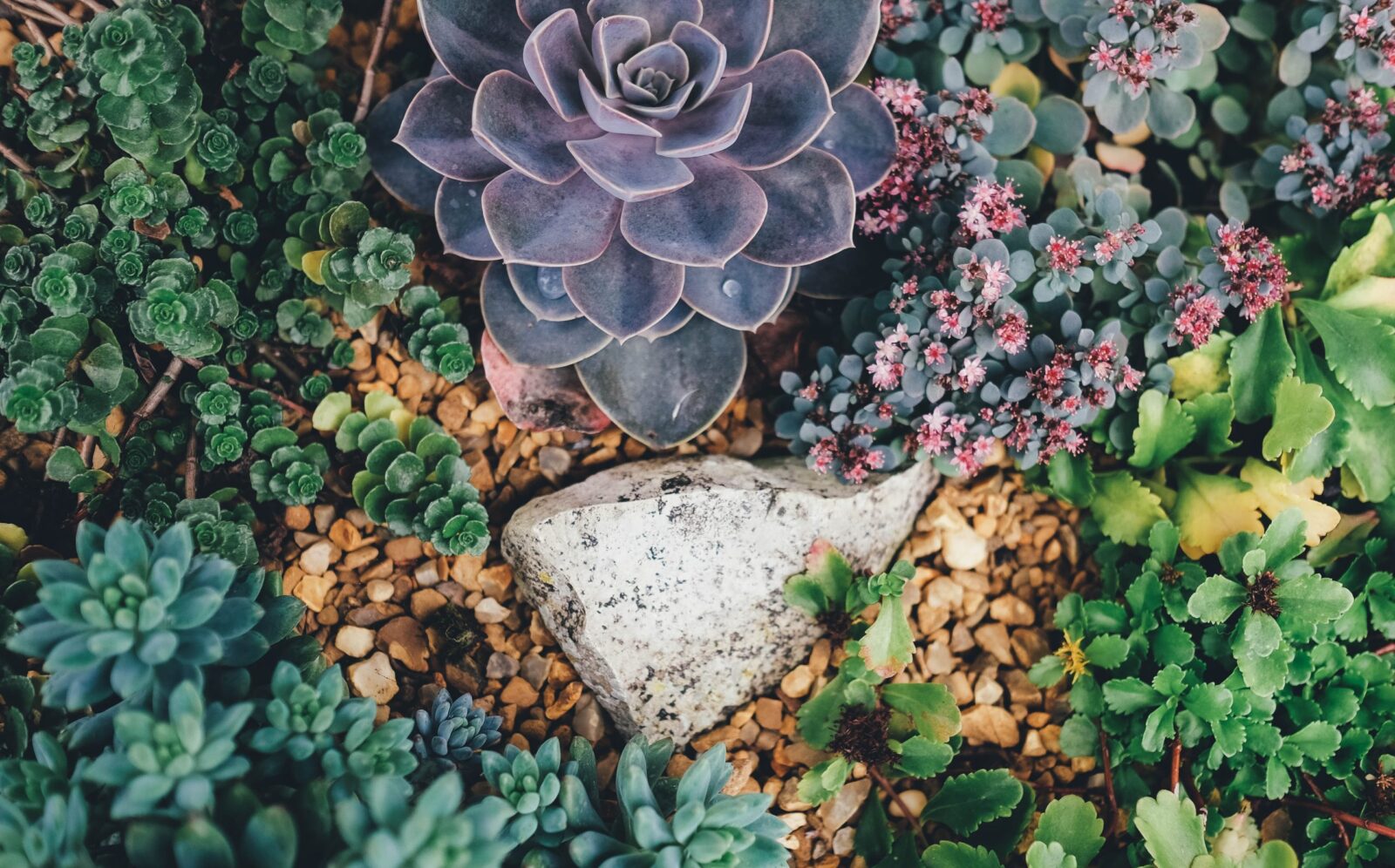
Landscaping materials are essential for creating visually attractive and functional outdoor spaces. They provide the foundation for various landscaping elements and contribute to the overall aesthetics and durability of the design.
In this article, we’ll explore key landscaping materials you should know about when planning your outdoor project.
Introduction to Landscaping Materials
Landscaping materials encompass a wide range of products, from natural elements like soil and rocks to man-made materials. Each landscaping material serves a specific purpose and has unique characteristics that make it suitable for different applications.
Rocks and Stones
Rocks and stones are versatile landscaping materials that add texture, visual interest, and stability to outdoor spaces. They can be used for pathways, retaining walls, borders, and decorative features.
Different types of rocks, such as river rocks, boulders, and flagstones, offer unique aesthetic and functional benefits. They are durable, low-maintenance, and can withstand various weather conditions.
Mulch
Mulch serves both practical and aesthetic purposes in landscaping. It helps retain moisture in the soil, suppresses weed growth, and regulates soil temperature. Organic mulches like wood chips and bark provide nutrients as they break down, benefiting plant health. Inorganic options such as rubber mulch or gravel offer long-lasting coverage and a neat appearance.
Pavers and Hardscape Materials
Pavers and hardscape materials are essential for creating functional outdoor living spaces, pathways, and patios. They come in various materials like concrete, natural stone, and brick, each offering distinct aesthetics and durability. Pavers are versatile and can be arranged in different patterns, adding visual appeal to any landscape design.
Edging Materials
Edging materials define the boundaries of different landscape elements, creating a clean and organised look. Common edging materials include plastic, metal, wood, and stone. They help separate the lawn from garden beds, and pathways from plantings, and prevent soil erosion. Edging materials also provide a barrier to contain mulch or gravel within designated areas.
Gravel and Aggregates
Gravel and aggregates are ideal for pathways and decorative accents in landscaping. They come in different sizes and colours, offering versatility in design. Gravel provides excellent drainage and is easy to install and maintain. Aggregates like crushed stone or decomposed granite can be compacted for a solid surface.
Wood and Timber
Wood and timber are often used for landscaping features such as decks, fences, pergolas, and raised garden beds. They provide a natural and warm aesthetic, blending well with various design styles. Treated hardwoods are preferred for their durability and resistance to decay.
Synthetic Turf
Synthetic turf, also known as artificial grass, is gaining popularity in landscaping due to its low-maintenance nature and year-round green appearance. It can be used for lawns, sports fields, or areas where natural grass is challenging to grow.
Driveway Materials
Driveways are an essential aspect of landscaping that not only provides a functional space for vehicles but also significantly contributes to the overall aesthetics of a property.
Choosing the right type of driveway material is crucial as it determines the durability, appearance, and maintenance requirements of the driveway.
Block Paving
Block paving is a versatile driveway material that offers a wide range of design options. It consists of individual blocks made from materials like concrete, clay, or natural stone. The interlocking nature of block paving provides strength and stability to the driveway surface. Block paving driveways are easy to repair by replacing individual blocks.
Tarmac and Asphalt
Tarmac and asphalt driveways are popular due to their affordability and durability. Tarmac is a cost-effective option for driveways, particularly for larger areas. Tarmac driveways have a quick and easy installation process.
Resin
Resin provides a smooth and seamless finish to the driveway surface. That’s why resin driveways are gaining popularity. Its permeable surface allows water to drain through, reducing the risk of flooding. And it’s fully customisable.
Conclusion
Choosing the right landscaping materials is essential for creating a beautiful, functional, and enduring outdoor space. Whether you’re working on a small garden or a large-scale project, understanding the characteristics and applications of various materials will help you make informed decisions.
Consider your design goals and maintenance preferences when planning a landscaping project.
By striking a balance between design goals and maintenance preferences, you can create a beautiful and sustainable landscape that brings joy and enhances the overall aesthetics of your outdoor space.
Don’t hesitate to contact us if you need help with your driveway or landscaping project.