
Your driveway, whether it be block paving and tarmac or resin, is one of the first things people see when they visit your home, and it’s an essential aspect of your home’s overall aesthetic. Whether you’re building a new home or looking to renovate your existing driveway, choosing the right material and design can be daunting. That’s why we’ve put together this ultimate guide to block paving and tarmac driveways.
Driveways serve several purposes; they create a safe and secure entrance to your home and provide a space to park your car, and add value to your property. This guide will explore your options and provide you with the information you need to make an informed decision about your driveway.
Block Paving: The Versatile Option
Block paving is a popular choice for driveways in the UK, thanks to its versatility and design options. In this section, we’ll take a closer look at the materials used for block paving, the installation process, and the benefits of choosing block paving for your driveway.
Materials Used
Block paving is made from concrete or clay and comes in a range of different shapes, sizes, and colours. This allows you to choose the perfect style and design complementing your home.
Installation Process
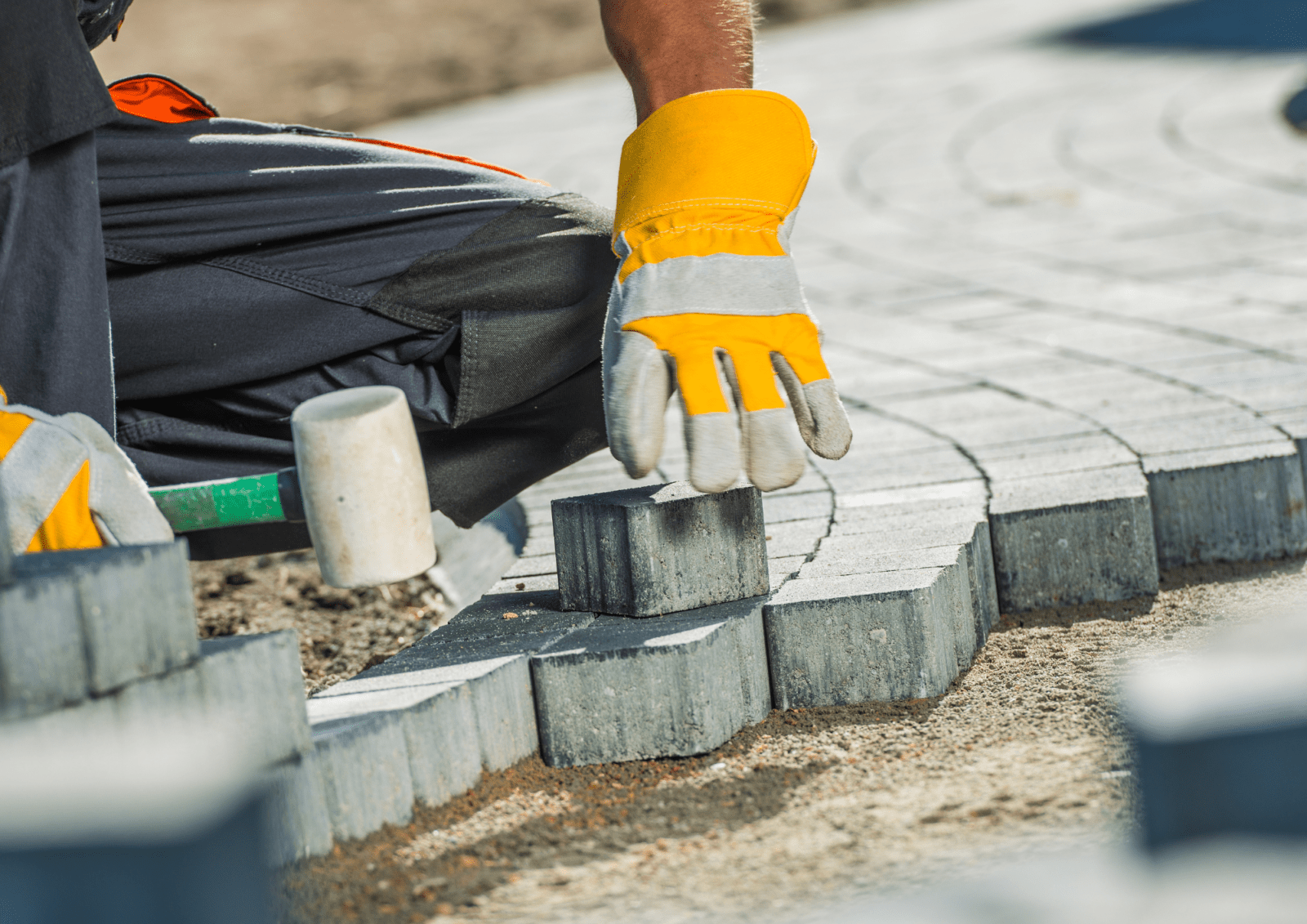
The installation process for block paving driveways is a little more complex than that of tarmac driveways, but it’s still relatively straightforward. The area is excavated, the base is prepared, and blocks are laid in a specific pattern. The blocks are then compacted, filling the joints with sand to ensure stability.
Benefits
Block paving offers several benefits, including versatility, durability, and a range of design options. The blocks are strong and can withstand the wear and tear of daily use, making it a great choice for busy households. Additionally, block paving driveways are easy to clean and maintain, and they can be designed to complement your home’s style.
Tarmac Driveways: The Durable and Low-Maintenance Option
Tarmac is a popular material for driveways in the UK, renowned for its durability and low maintenance requirements. In this section, we’ll take a closer look at the material used for tarmac driveways, the installation process, and the benefits of choosing tarmac for your driveway.
Materials Used
Tarmac is made from a mixture of crushed stone, tar, and bitumen and is known for its strength and durability. It’s a highly versatile material that’s suitable for a range of different applications, including driveways.
Installation Process
The installation process for tarmac driveways is quick and straightforward. The area is excavated, the base is prepared, and a layer of tarmac is laid, compacted, and then finished with a protective layer. Professional installation is recommended to ensure that your driveway lasts for years to come.
Benefits
There are many benefits to tarmac driveways, including durability, low maintenance requirements, and affordability. The surface is hard-wearing and can withstand the wear and tear of daily use, making it a great choice for busy households. Additionally, tarmac is easy to clean and maintain and a cost-effective option compared to other driveway materials.
How Heritage Drives and Landscapes Can Help With Block Paving and Tarmac.
In conclusion, when it comes to choosing the right material for your driveway, both block paving and tarmac have their own benefits and drawbacks. Block paving offers versatility and design options, while tarmac is durable and low-maintenance. We can help you make an informed decision at Heritage Drives and Landscapes by providing expert advice and a free, no-obligation quote. Contact us today to learn more about our wide range of block paving and tarmac driveways, and landscaping services in Warwickshire and the surrounding areas.