
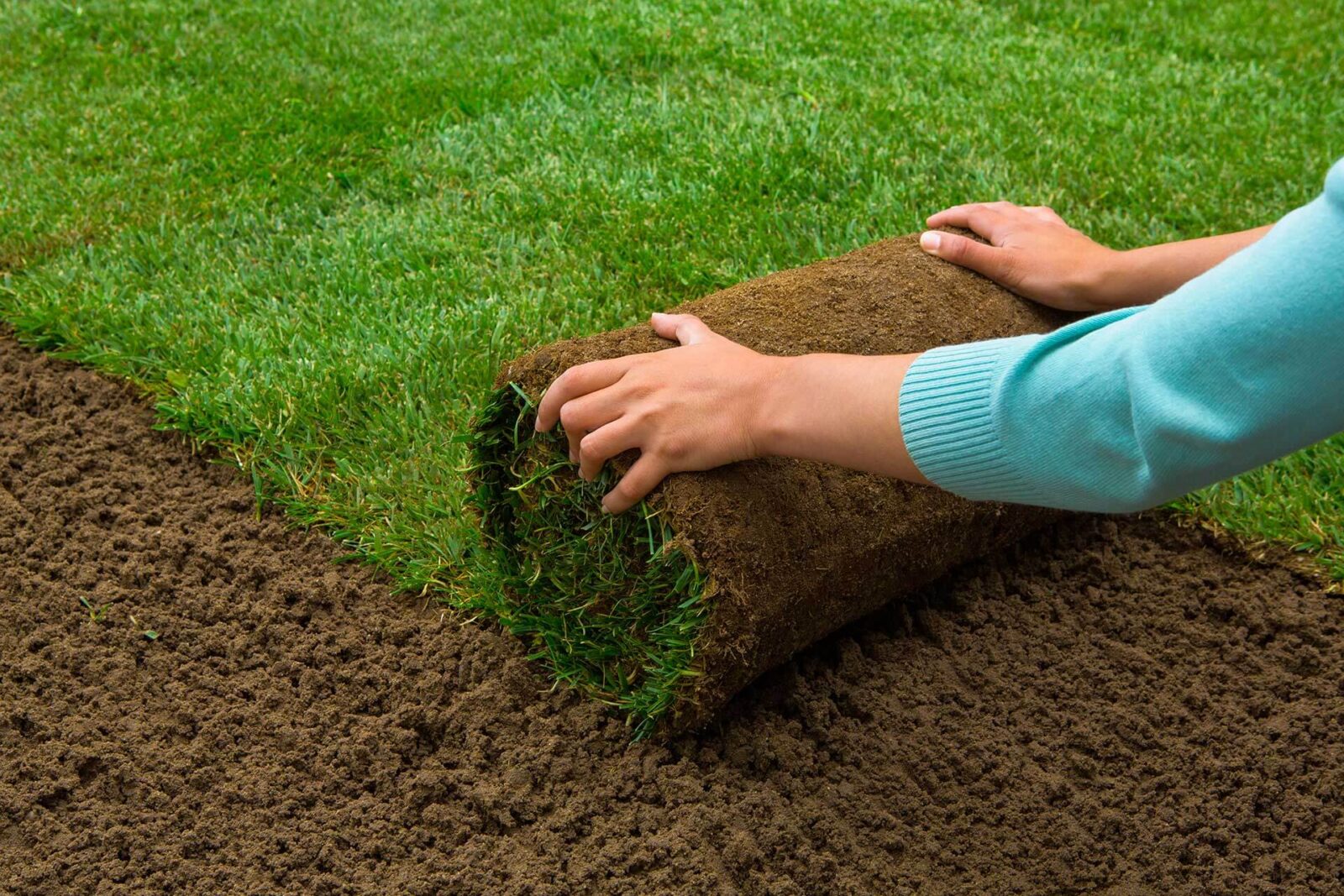
It’s almost impossible to imagine a dream home without a lawn. An attractive garden requires grass, either natural or artificial. They both will add to the kerb appeal of your property. But which is better? In this article, we’ll discuss the pros and cons of artificial grass and natural grass to help you choose the best option.
Artificial Grass
Over the past decades, artificial grass has proven to be a great success. Let’s discover some of its benefits.
Pros
Green all year round
It is weatherproof and withstands all types of weather conditions whilst maintaining its colour and properties. When heavy rain falls, the artificial turf drains quickly, preventing standing water.
Saves Water
It doesn’t require intensive watering. Rain will mostly do the job of keeping the turf clean. Worried about your pets? It’s advisable to train your pets to relieve themselves away from your lawn. But if your dogs do their business on the grass, you’ll only have to hose it down when necessary.
Cost-effective
It is more durable and requires little maintenance. Therefore, it takes relatively little time for the turf to pay for itself after the installation.
But artificial grass has some disadvantages too.
Cons
Absorbs heat
It can get warm during summer; however, you have some solutions to cool it down, such as providing artificial shading.
Costly installation
Professional installation is recommended for artificial grass. Even if it costs more than just paying for a seeded lawn, a professional installation will maximise the service life of your artificial turf. This is a good investment when considering all the money you’ll save long-term. And the installation process is quick and hassle-free.
Natural Grass
There’s a good reason why natural grass has been a tradition for so long. Here are some of its advantages:
Pros
Pollution filter
Grass produces oxygen for the atmosphere and absorbs CO2 and other pollutants, contributing to clean air.
Micro ecosystem
It prevents erosion and improves soil chemistry. Grass is home to rodents, insects and micro-organisms and provides nutrients for various animals.
Self-regulating
Natural grass regulates itself. It stays cool in hot weather and also cools the air. It can reseed itself, which means it’ll return every year if you maintain it well.
But, there are some drawbacks to consider.
Cons
Maintenance
Grass requires a lot of maintenance. Weather changes can seriously affect the appearance of natural grass. You’ll have to spend money constantly to keep your lawn in tip-top shape. Some of the expenses include mowing, edging, fertilising, and leaf cleanup.
Water Use
Be ready for a high water bill as maintaining natural grass will require thousands of gallons every year. This aspect will be challenging if you’re worried about water conservation.
Conclusion
Artificial grass is superior in terms of cost-effectiveness, maintenance and aesthetics. It’s long-lasting, functional all year round, and requires little effort. In contrast, natural grass represents higher long-term costs and water consumption.
Grass wilts as a result of temperature changes. Therefore, we recommend you say goodbye to brown spots and unsightly patches with artificial grass, which will always look and feel the same.
How Heritage Drives & Landscapes can help
Heritage Drives & Landscapes can install natural as well as artificial grass. Our team of experts can transform your garden by installing the lawn of your choice. If you need to get your lawn replaced, we can gladly help you too.
Grass is becoming increasingly popular among our clients. And we can advise you regarding the best garden design for your property.
If you’re interested in finding out more about our landscaping services in Warwickshire, then please don’t hesitate to contact us today.