
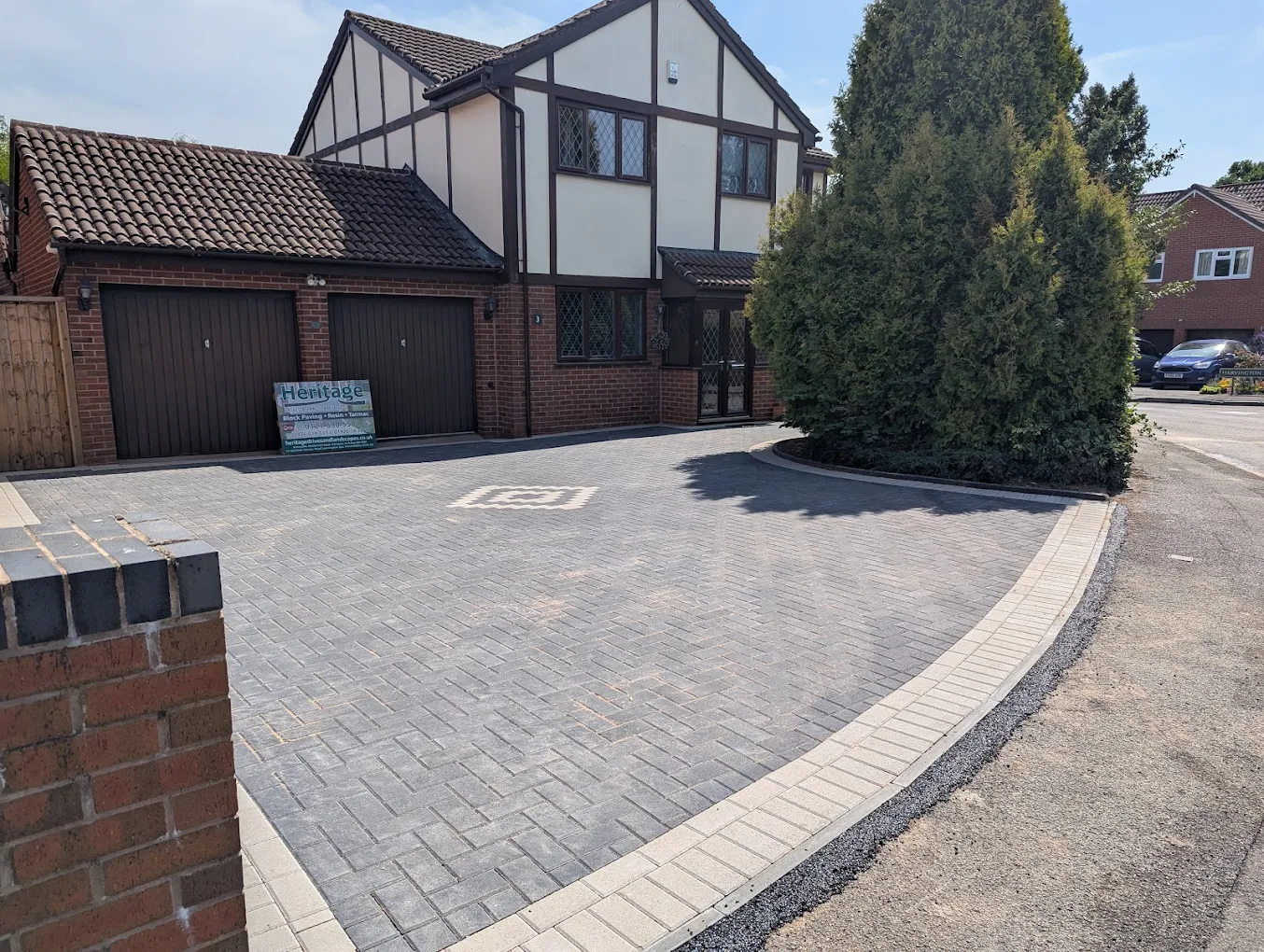
Choosing the right driveway can make a huge difference to your home’s kerb appeal, usability, drainage, and long-term maintenance. Whether you want a traditional finish, a modern smooth surface, or a budget-friendly option, there is a driveway style to suit every property.
In this guide, we cover the main driveway types, their benefits, possible drawbacks, and where each one works best. This article is ideal for homeowners comparing driveway materials before starting a new installation or renovation project.
1. Block Paving Driveways
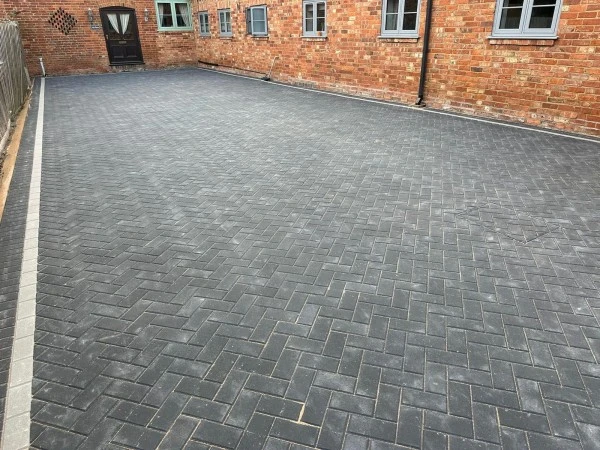
Block paving is one of the most popular driveway choices in the UK. It uses individual paving blocks laid in attractive patterns such as herringbone or stretcher bond, creating a smart and highly customisable surface.
Benefits of block paving driveways:
- Stylish and premium appearance
- Available in many colours, sizes, and laying patterns
- Easy to repair by replacing individual blocks
- Excellent choice for improving kerb appeal
Best for: Homeowners who want a durable, attractive, and versatile driveway finish.
2. Gravel Driveways
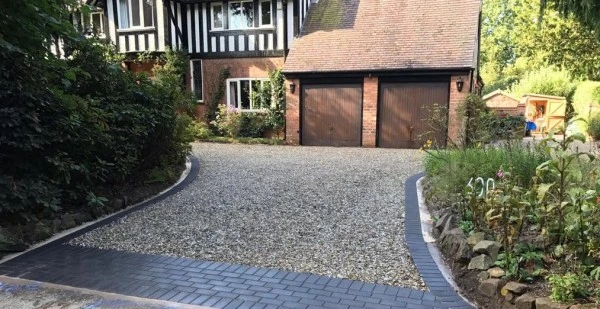
Gravel driveways are made from loose stone laid over a prepared sub-base. They are a practical and cost-effective option, especially for larger frontages and more traditional properties.
Benefits of gravel driveways:
- Lower installation cost compared to many paved surfaces
- Excellent drainage performance
- Natural and rustic appearance
- Quick to install
Things to consider:
- Loose stones can move over time
- May need occasional topping up
- Not as smooth underfoot as paved finishes
Best for: Rural homes, larger properties, and budget-conscious driveway projects.
3. Resin Bound Driveways
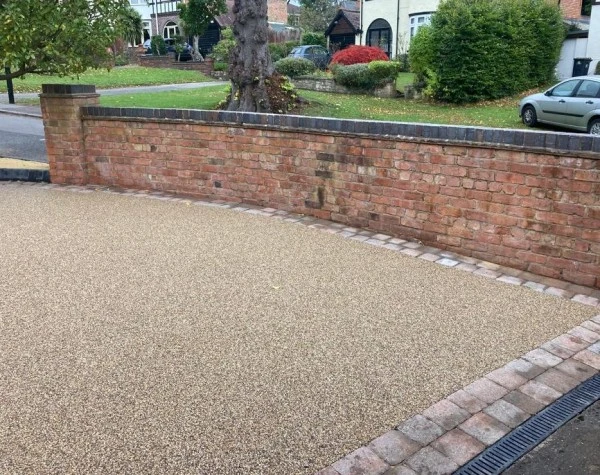
Resin bound driveways are known for their clean, smooth finish and contemporary look. Decorative aggregate is mixed with resin to create a seamless surface that is both durable and visually appealing.
Benefits of resin driveways:
- Modern and elegant appearance
- Low maintenance surface
- Permeable options available for better drainage
- Wide choice of colours and aggregate blends
Best for: Modern homes and homeowners looking for a sleek, premium finish.
4. Tarmac Driveways

Tarmac is a long-established driveway material valued for its durability, practicality, and clean appearance. It is especially popular on larger driveways because it provides a neat, hard-wearing finish.
Benefits of tarmac driveways:
- Strong and reliable surface
- Cost-effective for larger areas
- Quick installation compared to some alternatives
- Simple and practical finish
Best for: Large driveways, family homes, and properties where durability is the main priority.
5. Concrete Driveways

Concrete driveways are valued for strength and long-term performance. They can be finished in a plain style or enhanced with decorative treatments such as pattern imprinted concrete for a more stylish result.
Benefits of concrete driveways:
- Very durable and strong
- Low maintenance in day-to-day use
- Suitable for heavy vehicle traffic
- Can be plain or decorative depending on the finish
Best for: Homeowners wanting a practical, long-lasting driveway with minimal upkeep.
6. Cobble Driveways
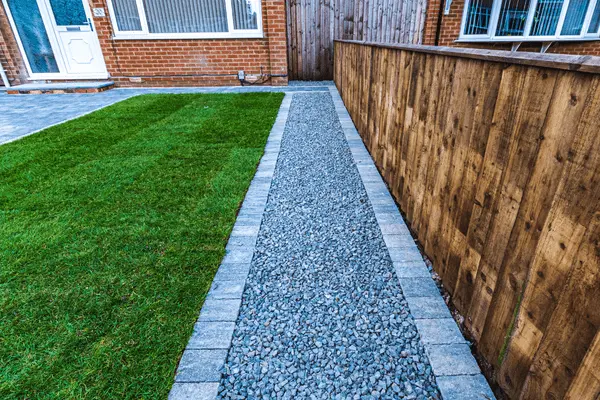
Cobble driveways create a classic and character-rich entrance. They are associated with traditional and high-end properties and can instantly add a sense of heritage and craftsmanship to the front of a home.
Benefits of cobble driveways:
- Distinctive traditional appearance
- Strong visual impact and kerb appeal
- Excellent for character and period-style homes
- Long-lasting when installed correctly
Best for: Heritage-style homes, statement entrances, and premium driveway designs.
7. Natural Stone Driveways
Natural stone driveways offer a premium finish with timeless appeal. Depending on the material chosen, they can look rustic, elegant, or highly refined, making them ideal for homeowners who want a more bespoke appearance.
Benefits of natural stone driveways:
- Luxury and high-end visual appeal
- Each surface has natural variation and character
- Strong and long-lasting material
- Complements both traditional and premium modern homes
Best for: High-value properties and homeowners looking for a standout finish.
8. Permeable Driveways
Permeable driveways are designed to help rainwater drain through the surface rather than sitting on top or running off too quickly. This can help with water management while still delivering an attractive finished look.
Benefits of permeable driveways:
- Improved drainage performance
- Can help reduce standing water
- Available in modern and traditional finishes
- Useful for environmentally conscious projects
Best for: Homes where drainage is a priority and for projects focused on sustainable surfacing.
How to Choose the Right Driveway
When comparing driveway types, think about more than appearance alone. The right surface should suit your budget, complement your home, and match how the driveway will be used every day.
- For style and kerb appeal: Block paving, cobble, and natural stone are strong choices.
- For lower cost: Gravel and tarmac are often more budget-friendly.
- For modern design: Resin bound driveways are a popular option.
- For durability: Concrete and tarmac perform well over time.
- For drainage: Gravel and permeable systems can be very effective.
Final Thoughts
A well-designed driveway can completely change the look and feel of your property. Whether you prefer a traditional block paved finish, a contemporary resin surface, or a practical tarmac or gravel layout, the best choice will depend on your property style, maintenance expectations, and budget.
Use this guide as a starting point when comparing driveway materials, and make sure any new installation is planned around both visual appeal and long-term performance.