
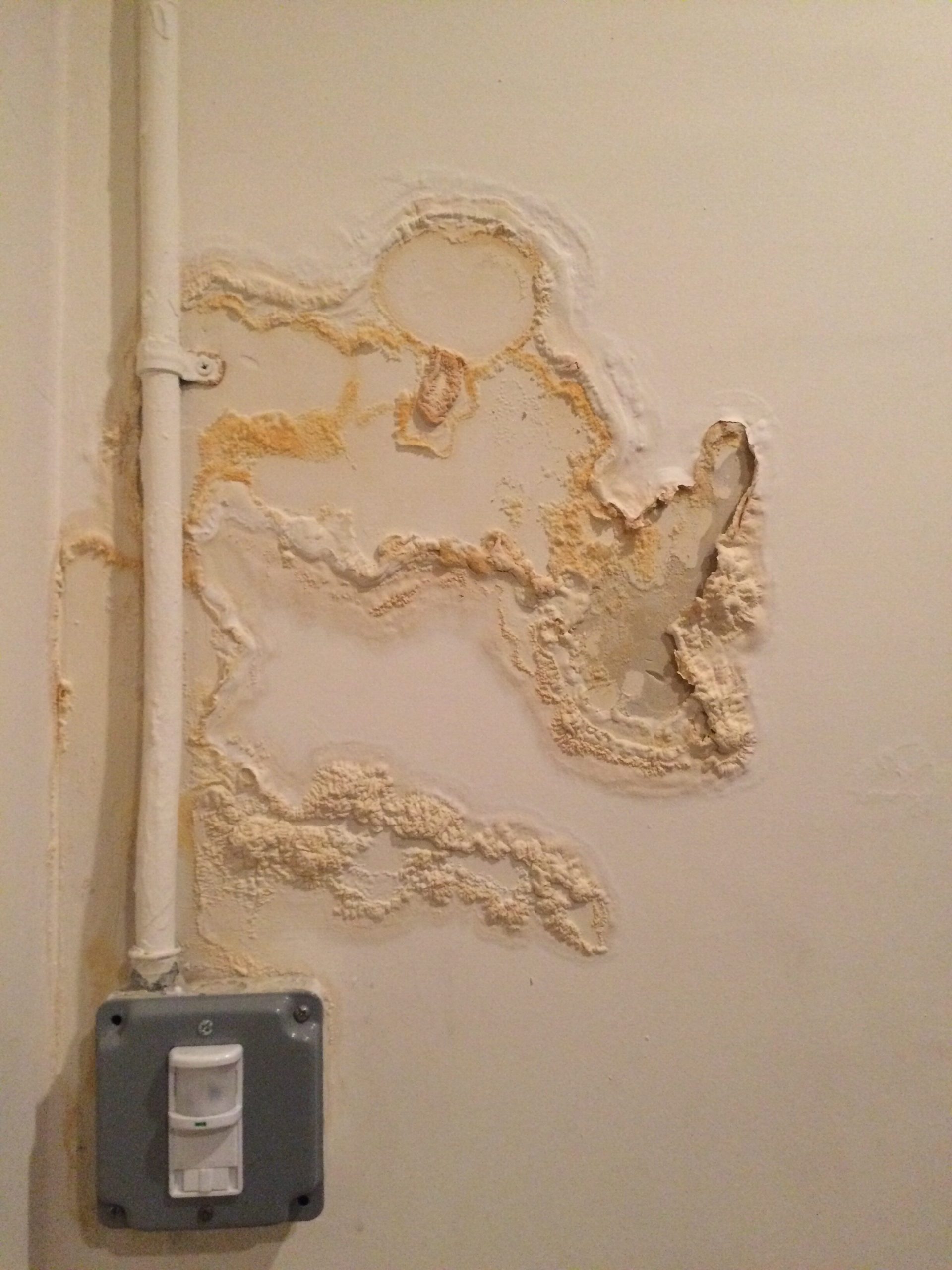
Damp is an all-too-common issue in many British homes, and if left untreated, it can lead to significant structural damage, health problems, and costly repairs. Early detection and professional damp proofing are essential for protecting your property and ensuring a healthy living environment. In this guide, we will explore what damp is, how to identify its early signs, and how professional damp proofing can effectively resolve the problem before it escalates.
Understanding Damp and Its Impact
Damp occurs when unwanted moisture accumulates in a building’s walls, floors, or ceilings. In the UK, high humidity levels, cold weather, and inadequate ventilation often contribute to damp problems. This excess moisture can lead to a range of issues including mould growth, timber decay, and even structural weakening. Not only does damp compromise the integrity of your home, but it can also adversely affect your indoor air quality and cause respiratory problems, particularly for those with allergies or asthma.
When damp sets in, it often follows a pattern that starts small but can quickly become widespread if not addressed promptly. Early detection is therefore key to mitigating damage and protecting both your property and your health.
Identifying Early Signs of Damp
The first step in dealing with damp is to recognise the early warning signs of damp. Homeowners should be vigilant for any unusual changes in the condition of their property. Common early signs include:
- Discolouration on Walls or Ceilings: Look for patches of dark, damp spots on walls or ceilings, which can be an indication of moisture accumulation. These spots are often accompanied by a musty odour.
- Peeling or Bubbling Paint: Damp can cause paint to peel, bubble, or flake away from the surface of walls and woodwork. This not only affects the aesthetics of your home but also signals underlying moisture problems.
- Condensation: Excessive condensation on windows, particularly in the morning, may indicate high levels of moisture in the air. While condensation itself is not damp, persistent issues can lead to damp conditions.
- Mould Growth: The appearance of mould or mildew, especially in corners, near windows, or along walls, is a clear sign that damp is present. Mould often thrives in areas with limited ventilation and high moisture levels.
- Efflorescence: A white, powdery residue on brickwork or masonry surfaces is another common sign. This occurs when water moves through walls, leaving behind salts that have been carried along with it.
Recognising these early symptoms can help you take swift action. If you notice any of these signs, it’s important to investigate further and consider the potential causes, which might include roof leaks, blocked gutters, or inadequate ventilation.
The Dangers of Ignoring Damp
Ignoring the signs of damp can have serious consequences for your home. Over time, damp can weaken the structure of your property, leading to costly repairs. Wooden components, such as window frames and fascia boards, are particularly vulnerable to decay when exposed to prolonged moisture. Moreover, damp conditions are ideal for mould growth, which can spread quickly and exacerbate respiratory issues and other health problems.
In addition to the structural risks, damp can also decrease the value of your property. Prospective buyers are often wary of homes with a history of damp, making timely intervention not only a matter of safety but also of financial prudence.
How Professional Damp Proofing Can Help
Once you have identified the early signs of damp, professional intervention is often required to resolve the issue effectively. Damp proofing is a specialised process that involves treating the affected areas to prevent further moisture penetration. Professionals will first carry out a thorough assessment of your property to determine the source of the damp. This may involve inspecting the roof, walls, and drainage systems.
Following the assessment, a range of treatment options may be recommended, including:
- Chemical Injection: In some cases, damp proofing involves injecting a chemical barrier into the walls. This treatment helps to prevent moisture from rising through the brickwork.
- Physical Damp Proof Courses (DPC): Installing a physical barrier, such as a damp proof course, can effectively block rising damp from reaching the interior of your home.
- Improved Drainage Solutions: Addressing external issues, such as blocked gutters or poor drainage, is also a crucial part of damp proofing. By ensuring that water is directed away from your home, you can prevent further moisture ingress.
- Ventilation Improvements: Enhancing the ventilation in problem areas, such as bathrooms and kitchens, can reduce humidity levels and help maintain a drier environment.
Professional damp proofing not only treats the existing problem but also helps to prevent recurrence, ensuring that your home remains dry and safe in the long term.
Preventative Measures and Regular Maintenance
While professional damp proofing is an essential solution when damp is present, there are several preventative measures you can take as a homeowner. Regularly inspect your property for early signs of damp, particularly in areas prone to moisture such as basements, kitchens, and bathrooms. Ensure that your gutters and downpipes are free from debris so that water can flow away from your home without obstruction.
Improving your home’s ventilation is another key step. Simple actions, such as using extractor fans in the kitchen and bathroom or opening windows regularly to allow fresh air in, can significantly reduce indoor humidity levels. Additionally, consider using a dehumidifier in particularly damp-prone areas.
Regular maintenance of your property’s exterior, including roof inspections and the timely repair of any leaks, can also go a long way in preventing and spotting early signs of damp. By addressing potential problems early, you can avoid more serious issues and preserve the integrity and value of your home.
Spotting the early signs of damp is crucial for every homeowner, as it allows for timely intervention and prevents long-term damage to your property. From discoloured walls and peeling paint to condensation and mould growth, these warning signals should not be ignored. Professional damp proofing offers an effective solution to treat and prevent damp, safeguarding your home from the damaging effects of moisture.
By investing in regular inspections, maintenance, and professional damp proofing services, you can ensure that your home remains a safe, comfortable, and healthy environment year-round. If you suspect or have noticed signs of damp , do not hesitate to contact a professional for a thorough assessment and treatment plan.
At Heritage Drives & Landscapes, we understand the importance of protecting your home from damp and its associated risks. Our team of experts is ready to help you address any damp issues and provide lasting solutions. Contact us today for more information or to schedule a consultation, and take the first step towards a drier, healthier home.
Stay vigilant, stay informed, and protect your home from the perils of damp.