
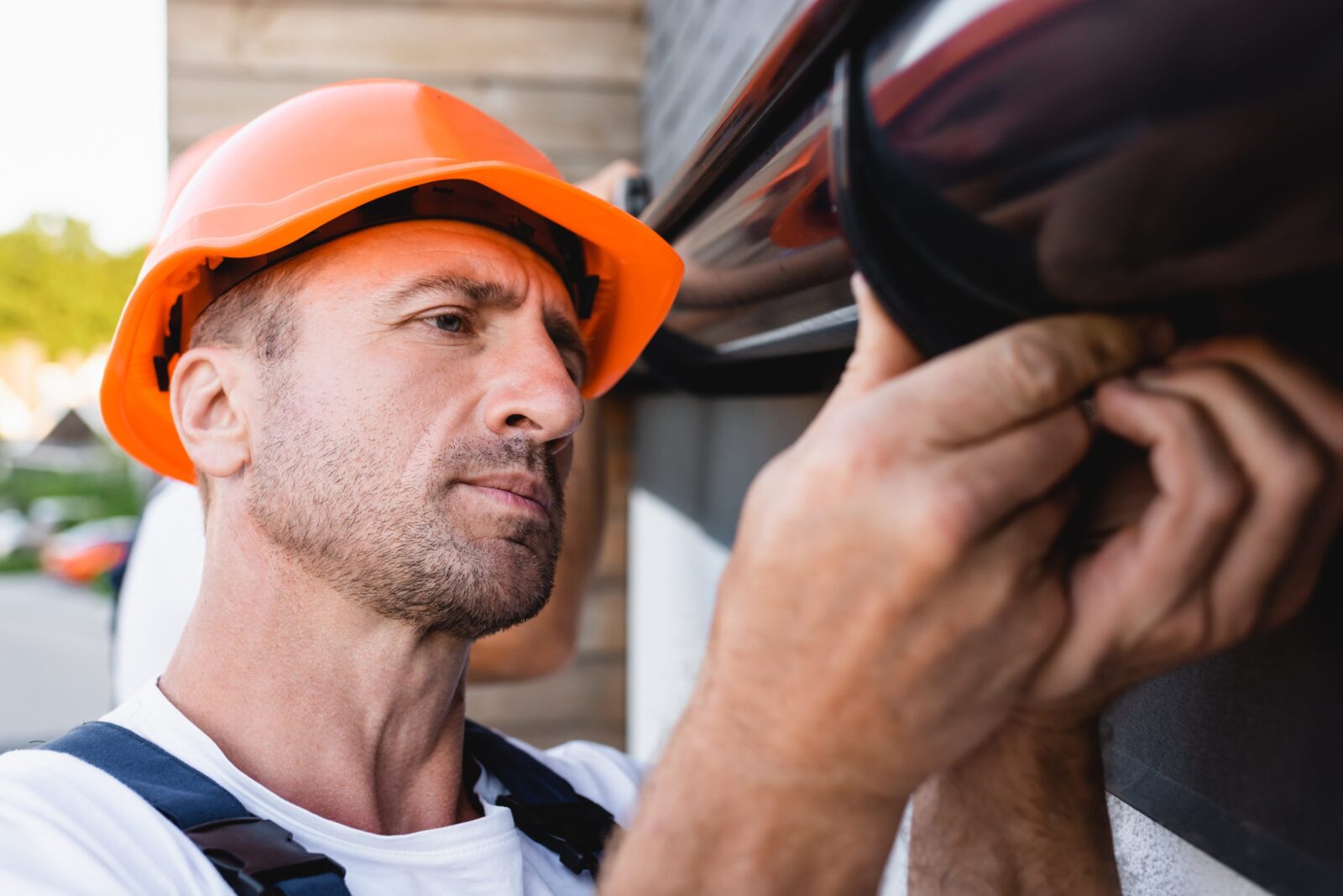
Roof maintenance is an essential part of homeownership. Not only does a well-maintained roof ensure the safety and comfort of your home, but it also enhances the property’s value and aesthetic appeal. Whether you’re a homeowner, a DIY enthusiast, or someone with a keen interest in landscape and design, understanding the basics of roof maintenance can save you time, money, and stress in the long run. In this blog, we’ll provide you with essential tips to keep your roof in excellent condition and extend its lifespan.
Why Roof Maintenance Matters
Roof maintenance is crucial for several reasons:
- Protects Your Investment: Regular maintenance helps protect one of the most significant investments you’ll make – your home.
- Prevents Major Repairs: By addressing minor issues early, you can prevent them from becoming major, costly repairs.
- Enhances Longevity: Proper care can significantly extend the lifespan of your roof, ensuring it serves you well for years to come.
- Improves Home Value: A well-maintained roof enhances your property’s curb appeal and overall value.
Essential Roof Maintenance Tips
1. Regular Inspections
Conducting regular inspections is the foundation of good roof maintenance. Aim to inspect your roof at least twice a year – once in the spring and once in the autumn. Look for signs of damage such as:
- Missing or broken shingles
- Cracked or worn sealant
- Rusted or damaged flashing
- Moss or algae growth
- Sagging areas
If you’re uncomfortable or unable to inspect the roof yourself, consider hiring a professional.
2. Clean Gutters and Downspouts
Clogged gutters and downspouts can cause water to back up, leading to roof damage and leaks. Make sure to clean your gutters and downspouts regularly, removing leaves, twigs, and other debris. This is especially important after a storm or heavy winds.
3. Trim Overhanging Branches
Overhanging tree branches can damage your roof by scraping against shingles, dropping branches, and causing the accumulation of leaves and debris. Trim back any branches that are close to or overhanging your roof to prevent damage and reduce the risk of pests and mould.
4. Address Moss and Algae
Moss and algae can cause significant damage to your roof if left untreated. They hold moisture against the roof surface, which can lead to rot and deterioration. Use a gentle scrub brush and a mixture of water and mild detergent to remove moss and algae. Avoid using a pressure washer, as it can damage shingles.
5. Check for Damage After Severe Weather
Severe weather, including storms, heavy winds, and hail, can cause significant damage to your roof. After such events, conduct a thorough inspection to check for missing or damaged shingles, leaks, and other issues. Address any damage promptly to prevent further deterioration.
6. Ensure Proper Ventilation
Proper ventilation is crucial for maintaining the health of your roof. It helps regulate temperature and moisture levels, preventing the buildup of heat and condensation that can cause roof damage. Ensure your attic and roof have adequate ventilation by installing vents and fans if necessary.
7. Repair Leaks Promptly
Even small leaks can cause significant damage if not addressed promptly. If you notice any signs of leaks, such as water stains on ceilings or walls, damp insulation, or a musty smell, take immediate action to locate and repair the source of the leak.
8. Maintain Roofing Material
Different roofing materials require specific maintenance practices:
- Asphalt Shingles: Check for cracks, curling, and missing shingles. Replace damaged shingles as needed.
- Metal Roofing: Inspect for rust, loose panels, and damaged fasteners. Clean off debris and apply a fresh coat of paint or sealant if necessary.
- Tile Roofing: Look for cracked or broken tiles. Replace damaged tiles and ensure the underlayment is in good condition.
Consult your roofing material manufacturer’s guidelines for specific maintenance recommendations.
Benefits of Professional Roof Maintenance
While DIY roof maintenance can be effective for minor tasks, there are significant benefits to hiring a professional for more comprehensive inspections and repairs:
- Expertise and Experience: Professionals have the knowledge and experience to identify and address issues that may not be apparent to the untrained eye.
- Safety: Working on a roof can be dangerous, especially if you lack the proper equipment and training. Professionals have the tools and skills to perform maintenance safely.
- Comprehensive Service: A professional roofer can provide a thorough inspection and complete any necessary repairs, ensuring your roof remains in optimal condition.
Conclusion
Regular roof maintenance is essential for protecting your home, saving money on repairs, and extending the lifespan of your roof. By conducting regular inspections, cleaning gutters, trimming branches, addressing moss and algae, checking for damage after severe weather, ensuring proper ventilation, repairing leaks promptly, and maintaining roofing materials, you can keep your roof in excellent condition for years to come.
For those who prefer professional assistance, hiring a reputable roofing contractor can provide peace of mind and ensure comprehensive care for your roof. Remember, a well-maintained roof not only enhances the safety and comfort of your home but also adds to its overall value and curb appeal.
Take the first step in extending your roof’s lifespan today – whether it’s performing your own inspection or scheduling a professional service. Your roof is an investment in your home’s future, and with the right care, it will continue to protect and serve you faithfully for many years.
