
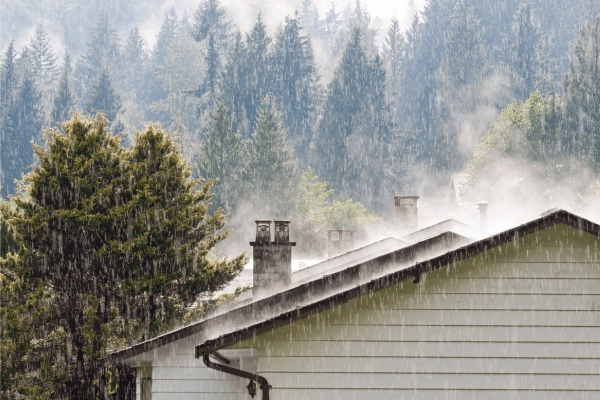
Heritage Drives and Landscapes understands roof leaks are a common issue faced by homeowners, and they can cause significant damage if not addressed promptly. This blog will teach you how to repair common roof leaks, ensuring your home stays dry and protected. Whether you’re a seasoned DIY enthusiast or a homeowner new to repairs, this guide will provide you with the necessary knowledge to tackle roof leaks effectively.
Identifying Common Roof Leaks
Before you can repair common roof leaks, you need to identify its source. Roof leaks can stem from a variety of issues, including damaged shingles, flashing problems, and clogged gutters. Here are some common signs to look out for:
Water Stains on Ceilings and Walls
One of the most obvious signs of a roof leak is water stains on your ceilings or walls. These stains typically appear as discoloured patches and can indicate that water is seeping through your roof and into your home.
Damp or Mouldy Smells
A persistent damp or mouldy smell in your home, especially in the attic, can be a sign of a roof leak. Mould thrives in moist environments, so it’s essential to address any leaks promptly to prevent mould growth.
Missing or Damaged Shingles
Inspect your roof for missing or damaged shingles. Shingles can become loose or broken due to severe weather conditions, leaving your roof vulnerable to leaks.
Clogged Gutters
Clogged gutters can cause water to overflow and seep under your roof, leading to leaks. Regularly cleaning your gutters can help prevent this issue.
Steps to Repair Common Roof Leaks
Once you’ve identified the source of the leak, it’s time to repair it. Here are some steps to guide you through the process of re:
How to Repair Common Roof Leaks Step 1: Gather Your Tools and Materials
Before you begin, gather the necessary tools and materials. You’ll need:
- Ladder
- Safety harness
- Roofing nails
- Roofing cement
- Replacement shingles
- Flashing
- Hammer
- Pry bar
- Utility knife
- Caulk gun
- Sealant
How to Repair Common Roof Leaks Step 2: Ensure Safety First
Safety should be your top priority when working on your roof. Make sure to use a sturdy ladder and wear a safety harness to prevent falls. It’s also a good idea to have someone assist you while you’re working.
How to Repair Common Roof Leaks Step 3: Replace Damaged Shingles
If your roof leak is due to damaged or missing shingles, follow these steps to replace them:
- Remove the Damaged Shingles: Use a pry bar to carefully lift the damaged shingles and remove the nails holding them in place. Be gentle to avoid damaging the surrounding shingles.
- Install the New Shingles: Slide the new shingles into place, aligning them with the existing shingles. Secure them with roofing nails and apply roofing cement to seal the edges.
How to Repair Common Roof Leaks Step 4: Repair Flashing Issues
Flashing is the metal material used to seal joints and prevent water from seeping in. If your leak is due to faulty flashing, here’s how to repair it:
- Remove the Old Flashing: Carefully lift the shingles around the flashing area and remove the old flashing.
- Install New Flashing: Cut a new piece of flashing to fit the area and slide it under the shingles. Secure it with roofing nails and apply sealant to ensure a watertight seal.
How to Repair Common Roof Leaks Step 5: Seal Cracks and Holes
Cracks and holes in your roof can also lead to leaks. Use a caulk gun to apply sealant to any visible cracks or holes. Ensure the sealant is evenly applied to create a watertight barrier.
How to Repair Common Roof Leaks Step 6: Clean and Maintain Gutters
Regularly cleaning and maintaining your gutters can prevent roof leaks caused by water overflow. Remove debris and ensure the downspouts are clear to allow proper water drainage.
Preventative Measures to Avoid Future Leaks
Preventing common roof leaks is always better than repairing them. Here are some preventative measures to keep your roof in good condition:
Regular Inspections
Schedule regular roof inspections, especially after severe weather conditions. Look for signs of damage and address any issues promptly.
Trim Overhanging Branches
Overhanging tree branches can damage your roof during storms. Trim any branches that hang over your roof to prevent potential damage.
Install Proper Ventilation
Proper roof ventilation can prevent moisture buildup and reduce the risk of leaks. Ensure your attic has adequate ventilation to allow air circulation.
Use High-Quality Roofing Materials
Investing in high-quality roofing materials can extend the lifespan of your roof and reduce the risk of leaks. Choose durable shingles and flashing to ensure long-term protection.
When to Call a Professional
While many roof repairs can be done by homeowners, some situations require professional assistance. Consider calling a professional roofer if:
- The leak is extensive and widespread.
- You’re unsure about the source of the leak.
- The repair involves complex or hazardous work.
Professional roofers have the expertise and equipment to handle more challenging repairs safely and effectively.
Conclusion
Roof leaks can be a homeowner’s nightmare, but with the right knowledge and tools, you can repair common roof leaks and keep your home safe and dry. Remember to prioritise safety, gather the necessary materials, and follow the steps outlined in this guide for successful roof leak repairs.
For more expert advice and tips on home maintenance, join our community of DIY enthusiasts and landscape lovers. And if you need professional assistance, don’t hesitate to reach out to our trusted roofing experts.
Protect your home from water damage and ensure your roof remains in top condition – start your common roof leak repair journey today!
Contact Heritage Drives and Landscapes for a free quote.