
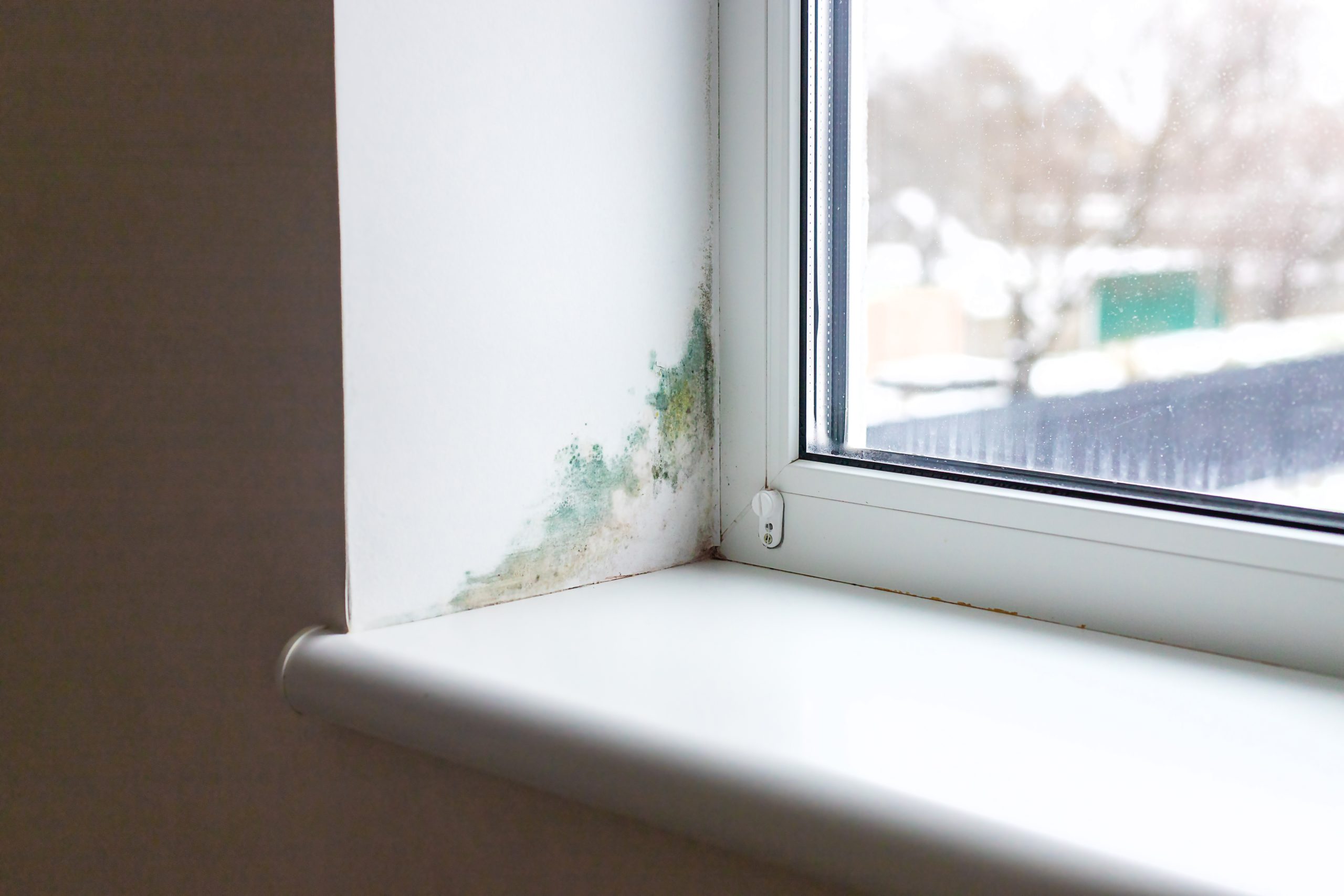
As the chill of winter fades and spring brings brighter days, it’s the perfect time to assess your home for any hidden moisture problems. Damp is more than just an eyesore—it can lead to serious structural damage, unpleasant odours, and even health issues. At Heritage Drives & Landscapes, we believe prevention is key. That’s why we’ve put together a guide to practical damp proofing solutions that will help you enjoy a dry, comfortable home throughout the year.
Why Damp Proofing Matters
Moisture might seem harmless, but if left untreated, it can wreak havoc on your home. From peeling wallpaper to black mould and crumbling plaster, damp can quickly escalate. Spring is the ideal season to tackle these issues head-on, thanks to milder weather and fewer rain-heavy days.
Damp proofing your property helps:
- Maintain structural integrity
- Improve indoor air quality
- Prevent mould and mildew growth
- Enhance property value
- Reduce heating costs by keeping walls dry and insulated
Signs of Damp in Your Home
Before you can fix the problem, you need to know what to look for. Common signs of damp include:
- Musty smells or poor air circulation
- Peeling paint or wallpaper
- Dark, damp patches on walls or ceilings
- Mould or mildew growth, especially in corners
- Condensation on windows or cold surfaces
- Rusting metal fittings or discoloured plaster
If you spot any of these indicators, it’s time to take action with some targeted damp proofing measures.
Spring Damp Proofing Tips
1. Check and Clear Your Gutters
Blocked or overflowing gutters can cause water to seep into walls and foundations. As spring begins, clear out leaves, moss, and debris to ensure water drains away properly.
2. Inspect External Walls and Brickwork
Cracked bricks or damaged pointing can allow moisture to penetrate. Look for signs of wear and consider having any damaged mortar or render professionally repaired.
3. Improve Ventilation
Poor airflow can cause condensation to build up. Open windows regularly, use extractor fans in bathrooms and kitchens, and consider installing air bricks or a ventilation system to keep moisture at bay.
4. Check Damp-Proof Courses and Membranes
Your property’s original damp proofing measures—like a damp-proof course (DPC) or membrane—may have deteriorated over time. If you notice rising damp at ground level, it might be time to have these elements inspected and replaced.
5. Seal Cracks and Gaps
Water often finds its way into the smallest gaps. Use silicone sealant or exterior-grade caulk around windows, doors, and rooflines to block any unwanted moisture entry points.
6. Address Ground Levels Around the Home
If soil, flower beds or paving sit higher than your DPC, it can allow water to bridge the barrier. Lower the ground level or add a gravel trench to improve drainage.
7. Consider Tanking Solutions for Basements and Cellars
Below-ground spaces are especially vulnerable to damp. Tanking involves applying a waterproof membrane or coating to the walls to prevent moisture ingress—ideal for basements or retaining walls.
8. Use Dehumidifiers in Problem Areas
For rooms that regularly suffer from high humidity, a dehumidifier can help control moisture levels and reduce the risk of condensation and damp patches.
When to Call the Professionals
While DIY maintenance can go a long way, some problems need expert attention. If you’re dealing with persistent or severe damp, our team at Heritage Drives & Landscapes can offer comprehensive damp proofing solutions tailored to your home. From structural repairs to drainage improvements, we ensure your home is protected from moisture now and into the future.
We provide:
- External and internal damp proofing systems
- Drainage solutions to prevent water pooling
- Landscaping improvements to direct rainwater away from your property
- Waterproofing for patios, walls and basements
Trust Heritage Drives & Landscapes for a Dry, Healthy Home
We’ve worked with homeowners across Solihull, Warwickshire, and the West Midlands to create homes that are not only beautiful, but structurally sound and weather-resistant. Our team combines years of experience with a commitment to quality craftsmanship, ensuring your home stays dry and damp-free.
Conclusion
Damp is one of the most common issues in British homes—but it doesn’t have to be a permanent problem. With a little foresight and some practical steps, you can protect your home from moisture damage and enjoy a healthier, more comfortable living environment.
If you’re ready to tackle damp head-on this spring, get in touch with Heritage Drives & Landscapes for expert damp proofing advice and solutions.
Protect your home and your health—choose Heritage Drives & Landscapes for reliable, long-lasting damp proofing.