
Choosing a new driveway is not just about creating somewhere to park your car. It shapes the first impression of your home, influences its value and affects how much maintenance you will need in the years ahead. When researching options, many homeowners find themselves weighing up one key question: block paving vs resin driveway, which is the better choice?
Both surfaces are popular across the UK and both can completely transform the entrance to your property. However, they differ in appearance, cost, durability and long-term upkeep. Understanding the practical differences between block paving vs resin driveway will help you make a confident and informed decision.
What Is Block Paving?
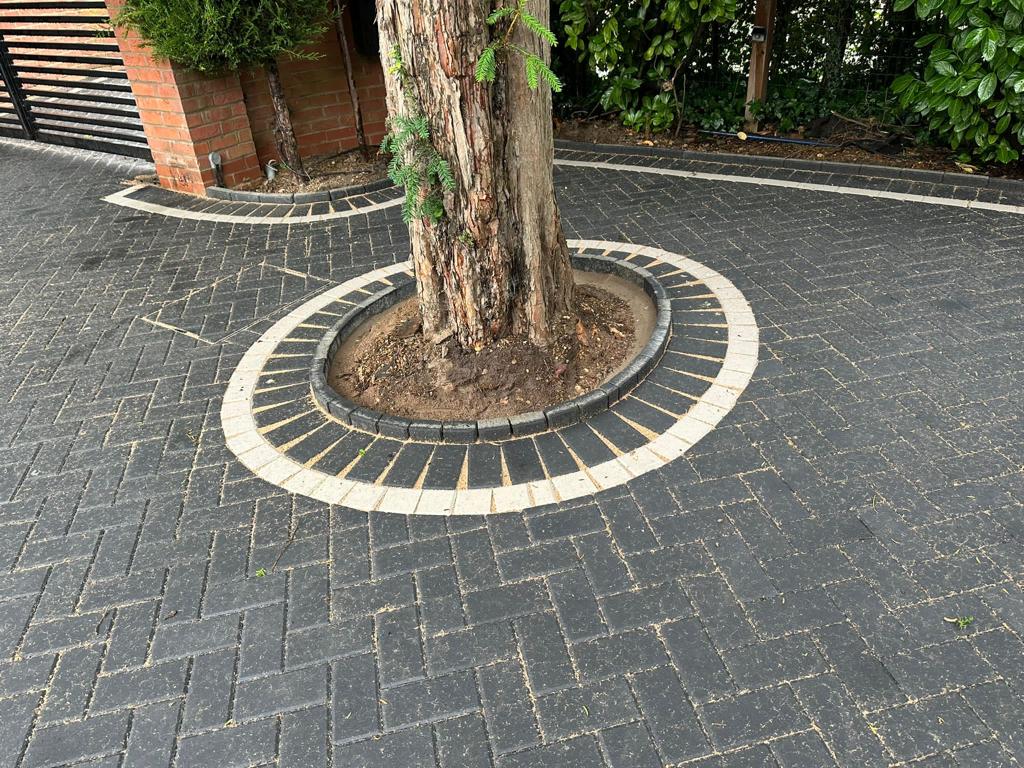
Block paving is created using individual concrete or clay blocks laid in patterns such as herringbone or stretcher bond. Because each block is separate, it allows for a wide range of designs and colour combinations. Many homeowners choose block paving because it offers a traditional and established look that suits period properties particularly well.
Block paving has been widely used for decades and is known for its strength and versatility. If you are interested in the history of paving materials, you can read more about paving stones here.
One of the biggest advantages in the block paving vs resin driveway comparison is flexibility. If part of the surface becomes damaged or sinks over time, individual blocks can be lifted and replaced without having to redo the entire driveway. This makes repairs straightforward and cost-effective.
If you are considering this option, you can explore examples on our dedicated Block Paving Driveways page to see how different patterns and finishes look in real homes.
What Is a Resin Driveway?
A resin driveway is created by mixing natural aggregate stones with a clear resin binder. The mixture is then laid onto a prepared base to form a smooth and seamless surface. The result is a clean, modern finish that has become increasingly popular in recent years.
When comparing block paving vs resin driveway, many homeowners are drawn to resin because of its contemporary appearance. It provides a uniform finish without visible joints and can be customised with different stone blends to suit your property.
Resin-bound surfaces are also permeable. This means rainwater can drain through the surface rather than pooling on top. Proper drainage is an important consideration for modern driveway installations, and permeable paving systems help reduce surface water build-up.
You can see how this finish looks in practice on our Driveways page, where different aggregate colours create very different visual effects.
Appearance and Style
In the block paving vs resin driveway discussion, style often becomes the deciding factor.
Block paving tends to suit traditional and character properties. The textured finish and patterned layouts can complement brickwork and period features beautifully. It offers visual depth and can be designed with borders or contrasting colours.
Resin driveways suit contemporary homes particularly well. The smooth finish creates a clean and polished entrance that feels modern and minimal. For homeowners who prefer a streamlined look, resin often feels like the more natural choice.
Ultimately, the best option depends on the character of your property and the style you want to achieve.
Durability and Lifespan
Both surfaces are durable when installed correctly, but they perform slightly differently over time.
Block paving can last 20 to 30 years or more with proper maintenance. Because the surface consists of individual blocks, it can shift slightly over time, particularly if the ground beneath was not prepared correctly. However, this same feature makes it easy to repair sections if required.
Resin driveways typically last between 15 and 25 years. They are resistant to cracking and weed growth, and they do not suffer from joint erosion in the same way block paving can. However, if a section becomes damaged, repairs may involve treating a larger area rather than replacing a single piece.
When deciding between block paving vs resin driveway, it is important to consider how long you plan to stay in your property and whether ease of repair is a priority.
For long-term performance, proper groundwork is essential. You can find more information about our Driveway Installation Services to understand how preparation affects durability.
Maintenance Requirements
Maintenance plays a key role in the block paving vs resin driveway comparison.
Block paving may require occasional re-sanding of the joints and periodic weed control between blocks. Over time, some homeowners choose to have it professionally cleaned or sealed to maintain its appearance.
Resin driveways generally require less maintenance. A simple sweep and occasional wash are usually enough to keep the surface looking fresh. Because there are no joints, weed growth is significantly reduced.
If low maintenance is one of your main priorities, resin may feel like the simpler option. However, both surfaces benefit from regular cleaning. Our Driveway Maintenance Services can help extend the life of either type.
Cost Considerations
Cost is often one of the most important factors when comparing block paving vs resin driveway.
Resin driveway cost typically falls between £60 and £90 per square metre, depending on the type of aggregate used and the level of ground preparation required.
Block paving can range from £50 to £100 per square metre depending on the block style, pattern complexity and edging choices.
Ground conditions, drainage requirements and site access can all influence the final price. If you would like a clearer understanding of what affects pricing, contact our team today
Which Option Adds More Value?
Both block paving and resin driveways can significantly improve kerb appeal. A well-installed driveway gives your property a finished and cared-for appearance.
In the block paving vs resin driveway debate, value often comes down to buyer preference. Traditional homes may benefit more from block paving, while newer properties may look more cohesive with resin.
Quality of installation is more important than surface choice. A poorly installed driveway can cause drainage issues and early deterioration. A professionally installed driveway, regardless of type, can enhance your property’s overall appeal.
You can also explore our article on Driveways and Property Value to understand how outdoor improvements affect resale potential.
Final Thoughts
When deciding between block paving vs resin driveway, there is no single correct answer. Both are strong, attractive and long-lasting options when installed correctly.
Block paving offers flexibility, traditional character and ease of repair. Resin provides a modern finish, low maintenance and natural drainage benefits.
The right choice depends on your home’s style, your budget and how much ongoing maintenance you are comfortable with.
If you are still unsure about block paving vs resin driveway, our team at Heritage Drives and Landscapes is here to help. We can assess your property, explain the options clearly and recommend a solution that suits your needs.
Get in touch today for professional advice and a no-obligation quote. Your driveway is one of the first things people see. It deserves careful thought and expert installation.