
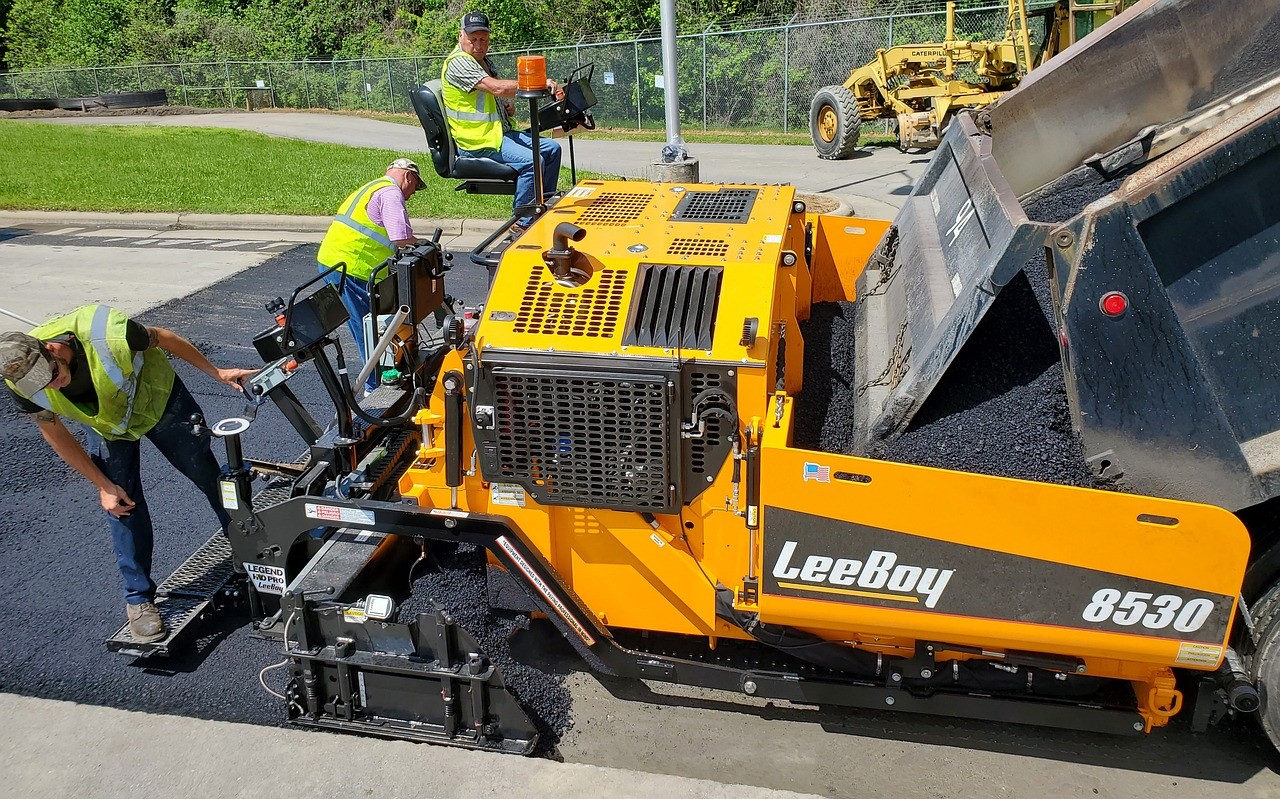
At Heritage Drives and Landscapes, we understand the importance of providing accurate and valuable information to our customers. In this comprehensive guide, we’ll delve into driveway and landscaping questions that many homeowners ask:
How long does it take to install an asphalt driveway? Asphalt or tarmac? Which is better for a new driveway?
If you’re planning a residential driveway project, read on to find the answers.
What factors affect asphalt laying time?
Here are some key factors to consider before asphalting a driveway:
- Project Size and Scope
The size and scope of an asphalt project play a significant role in determining the time it takes for completion. Larger projects, such as extensive parking lots, require more time compared to smaller residential driveways.
The complexity of the design and layout, the amount of surface area to be covered, and the necessary preparation work all contribute to the overall time frame.
- Site Preparation
Proper site preparation is crucial for achieving durable and long-lasting asphalt driveway. Before you asphalt a driveway, the existing surface must be thoroughly cleaned and any debris or vegetation removed.
Additionally, any necessary grading and levelling should be done to ensure proper water drainage. The time required for site preparation will depend on:
- the condition of the existing surface
- the extent of the necessary adjustments.
- Weather Conditions
Weather conditions play a significant role in the asphalt driveway installation process. Ideally, it’s best to undertake asphalt projects during dry and warm weather. Extreme heat, cold, or precipitation can impact the paving process, causing delays and affecting the quality of the final result. Temperature and humidity levels influence the speed of asphalt curing.
What is the process for asphalting a driveway?
Now that we’ve discussed some key factors, let’s take a closer look at the step-by-step process involved in laying asphalt:
- Planning and Design
Before commencing any asphalt project, meticulous planning and design are essential. This phase involves:
- assessing the site
- taking measurements
- creating a layout that optimises traffic flow and maximises the available space.
Proper planning ensures the project meets the required specifications and minimises the risk of future issues.
- Site Preparation
As mentioned earlier, thorough site preparation is crucial for a successful asphalt paving project. Any necessary sub-base repairs or adjustments are carried out during this stage.
- Application of Base Layer
Once the site is prepared, a base layer of aggregate material is applied. This layer serves as a foundation and helps distribute the load evenly. It’s carefully compacted using specialised machinery to ensure stability and durability.
- Installation of Binder and Surface Course
Following the application of the base layer, the binder and surface course are installed. The binder course consists of a coarser asphalt mix, providing additional strength and stability to the pavement. It’s applied and compacted to the desired thickness.
Finally, the surface course, which is the topmost layer, is applied. The surface course typically uses a finer asphalt mix, enhancing the aesthetic appeal of the pavement.
- Finishing Touches
To achieve a polished and professional finish, the asphalt undergoes a series of finishing touches. This includes compacting the entire surface to ensure proper compaction and smoothness. Edges are carefully addressed, and any necessary joint sealing or striping is carried out.
What’s the estimated time frame?
As each project is unique, it’s challenging to provide an exact timeline without evaluating the specific requirements. However, as a general guideline, smaller residential driveway projects may typically take anywhere from one to three days, depending on the factors discussed earlier.
Under normal conditions, you can typically start driving on your newly paved asphalt driveway within two to three days. However, it is important to note that the complete curing process of asphalt can take approximately 30 days or more. During this initial curing period, you can use the driveway for regular activities. But it’s advisable to exercise caution to prevent any potential damage.
Tarmac vs. Asphalt: Which is Best for a Driveway?
When it comes to surfacing driveways, tarmac and asphalt are frequently used terms that are often used interchangeably. However, they’re not the same. Each material has its unique characteristics and benefits.
Tarmac, short for “tarmacadam,” is a popular surfacing material made by combining aggregates such as crushed stones, sand, and bitumen binder. Bitumen acts as the glue that holds the mixture together.
Pros of Tarmac for Driveways
Smooth and even surface
Tarmac also provides a smooth and even surface for vehicles, ensuring a comfortable driving experience.
Easy maintenance and repairs
Tarmac driveways are relatively easy to maintain and repair, with simple patching or resurfacing options available.
Cost-effectiveness
Tarmac is generally more affordable than asphalt, making it a budget-friendly option for homeowners. Asphalt driveways tend to have a higher upfront cost compared to tarmac. Surfacing companies typically have a minimum day rate of approximately £800 for labour costs.
Quick installation process
Tarmac driveways can be installed relatively quickly, minimising disruption to your daily routine. Installing an asphalt driveway requires a longer process, involving proper preparation, layering, and compaction.
In addition, asphalt driveways require a longer time to cure and fully set. During this period, the driveway is more susceptible to damage and may not be as durable as when fully cured.
Both tarmac driveways and asphalt driveways have their own set of advantages and disadvantages. Asphalt offers superior durability, while tarmac is a cost-effective option with quick installation and easy maintenance. When deciding which driveway material is best for you, carefully evaluate your specific needs, budget, and aesthetic preferences.
Conclusion
Understanding the time frame required to install an asphalt driveway is crucial for effective project planning and execution. By considering factors such as project size, site preparation, and weather conditions, you can estimate the duration more accurately.
But a tarmac driveway is a smart alternative that you should consider for a cost-effective and durable surfacing solution. And we can help you!
At Heritage Drives and Landscapes, we’re committed to delivering high-quality driveway and landscaping services in Stratford-Upon-Avon. Don’t hesitate to contact us today to discuss your specific project requirements.